
In an increasingly fast-paced world, our homes and workspaces should serve as sanctuaries of well-being. Interior design plays a vital role in shaping the aesthetics of a space, and just as importantly, the emotional and psychological well-being of its inhabitants. Thoughtfully designed interiors can reduce stress, boost mood, and promote mental clarity.
For residents of Florida, where diverse environments range from coastal retreats to urban settings, creating serene spaces tailored to personal needs is essential. Let’s explore the science behind well-being in interior design and look at some actionable strategies to transform your home into a haven of wellness.
Interior Space and Mental Health
Research shows that our surroundings significantly influence our mental health. Factors like lighting, color, spatial organization, and material choices impact emotions, stress levels, and cognitive function. Understanding these elements can help create spaces that foster relaxation and mental clarity.
The Role of Color
Color is one of the most powerful tools in interior design. We use our deep understanding of color to help you establish the vibe within your spaces.
Cool Tones: These colors promote relaxation and are ideal for bedrooms, bathrooms, and meditation areas.
Warm Neutrals: These hues create a sense of balance and calm, making them perfect for living rooms and offices.
Soft Pastels: Colors like blush pink or pale yellow can uplift the mood and create a comforting atmosphere.
In Florida, where natural light is abundant, soft and earthy tones can enhance the sense of serenity while complementing the surrounding landscape.






Lighting and Its Effects
Lighting influences mood, productivity, and sleep quality. Incorporating a mix of natural and artificial lighting can significantly improve mental well-being.
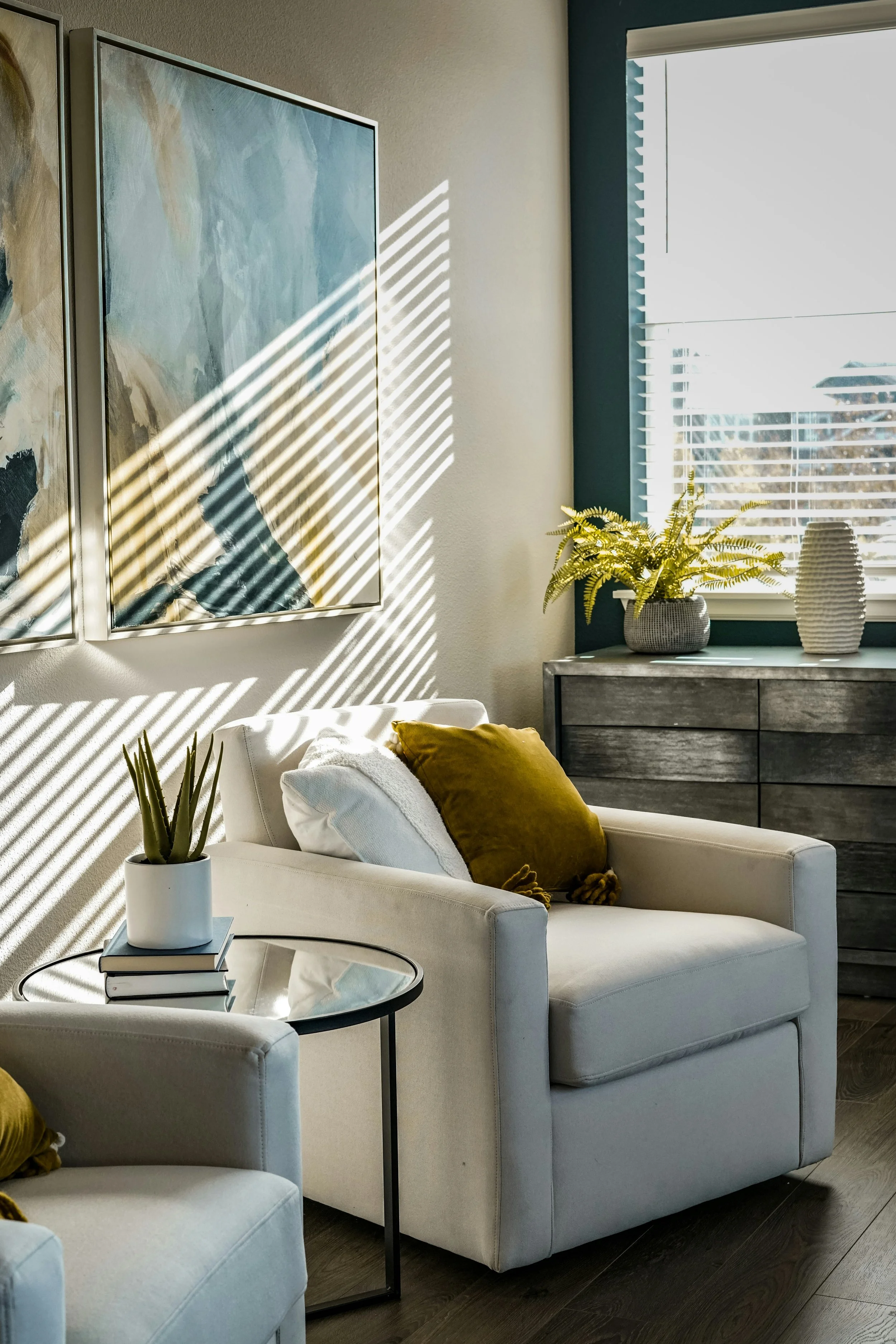
Natural Light: Maximizing sunlight exposure helps regulate circadian rhythms, boosting mood and energy levels. Large windows, skylights, and open layouts can enhance daylight penetration.
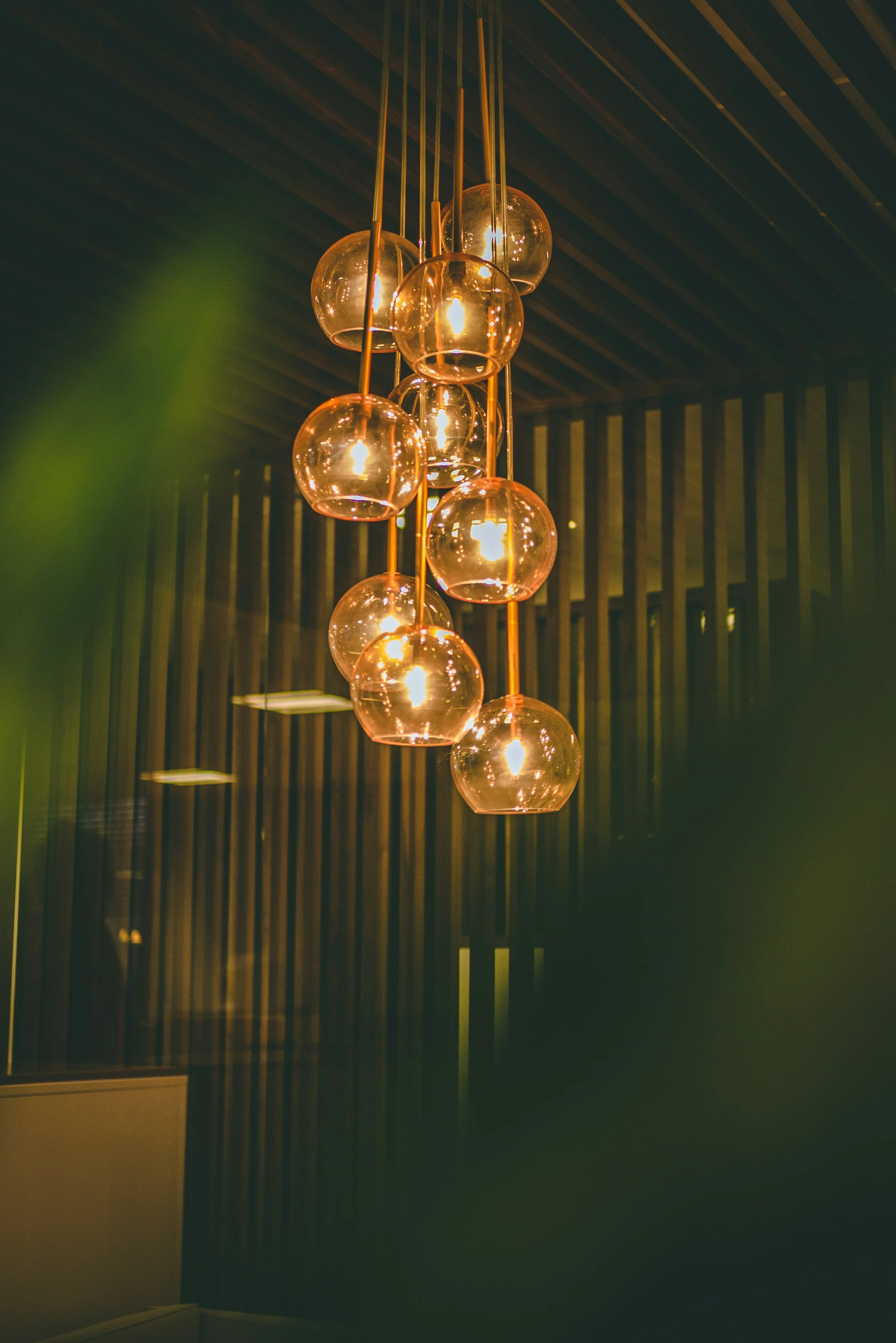
Soft Ambient Lighting: Warm, dimmable lighting fosters relaxation, making it ideal for bedrooms and living areas.
Task Lighting: Proper task lighting in workspaces reduces eye strain and enhances focus, improving productivity and mental clarity.
Window treatments and material selections can help distribute natural light, while the strategic placement of windows can optimize daylight exposure.
Spatial Organization for a Stress-Free Environment
Cluttered spaces can lead to mental clutter, increasing stress and anxiety. Implementing organizational strategies and spatial planning enhances comfort and relaxation.
Decluttering: A minimalist approach with well-chosen decor pieces can create an open, breathable space.
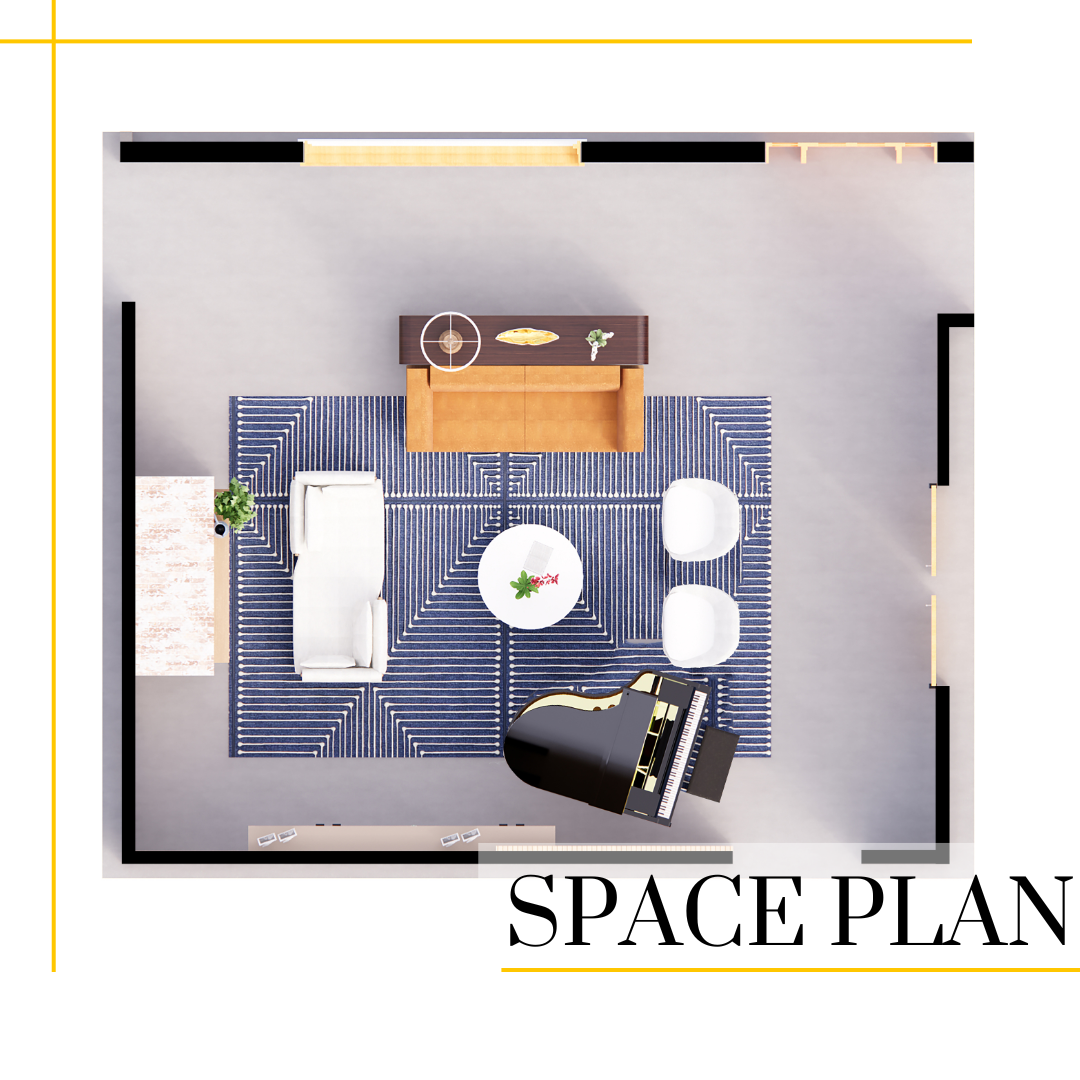
Zoning Areas: Creating designated spaces for work, relaxation, and socializing ensures a balanced environment.
Flow and Layout: Optimal space planning can encourage connection and ease of movement, while cozy nooks foster relaxation.
Our expertise, your peace of mind.
space planning is the powerhouse of interior design, and what distinguishes design from decorating.
4. Biophilic Design: The Healing Power of Nature
Biophilic design integrates natural elements into interiors, enhancing mental well-being and reducing stress.
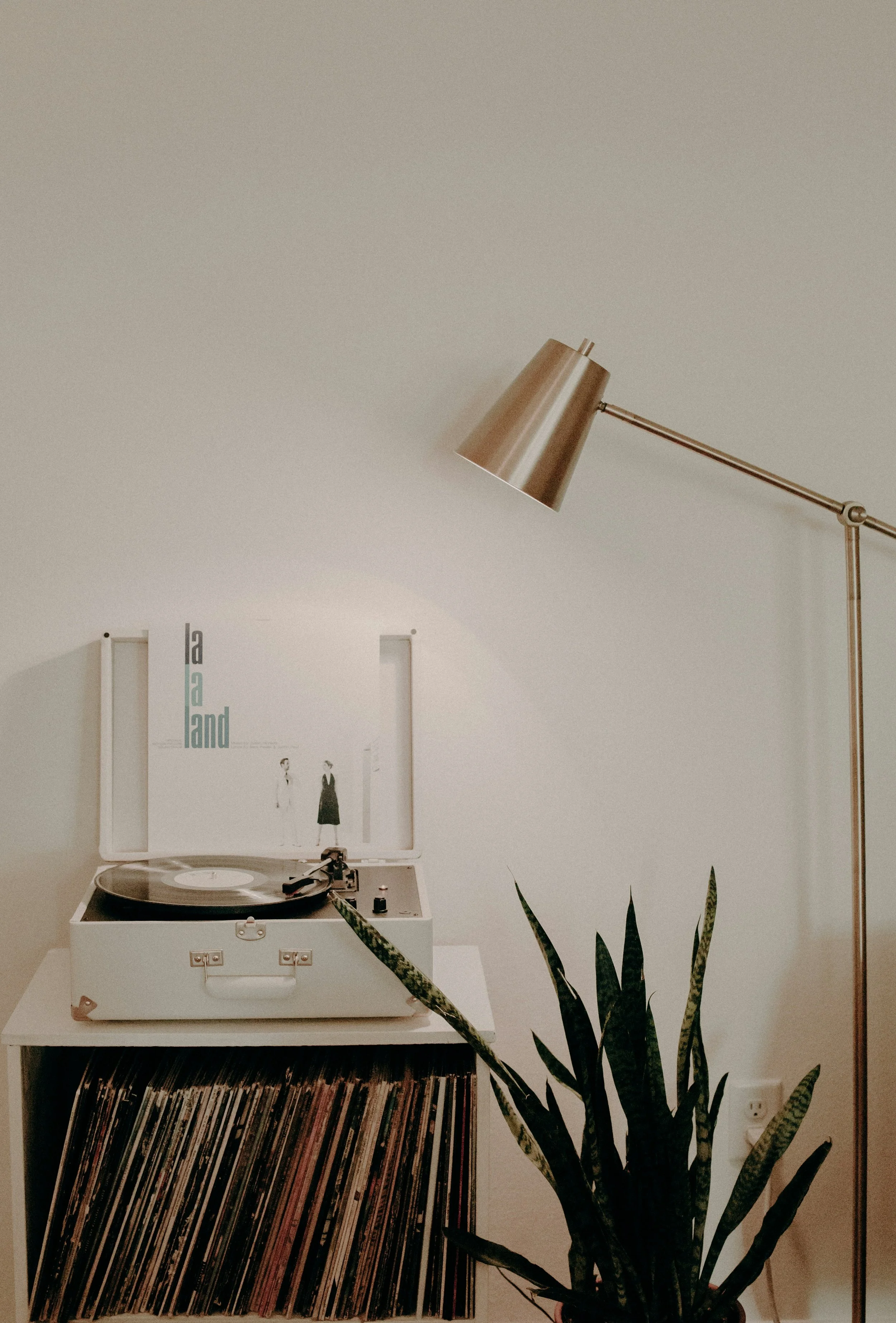
Indoor Plants: Adding greenery like snake plants, peace lilies, and pothos improves air quality and creates a calming effect.
Natural Materials: Using wood, stone, and organic textiles fosters a grounded, soothing ambiance.
Water Features: Incorporating fountains or aquariums adds a tranquil, meditative quality to interiors.
Embracing local ecosystems and materials enhances the connection to nature, promoting relaxation and well-being.
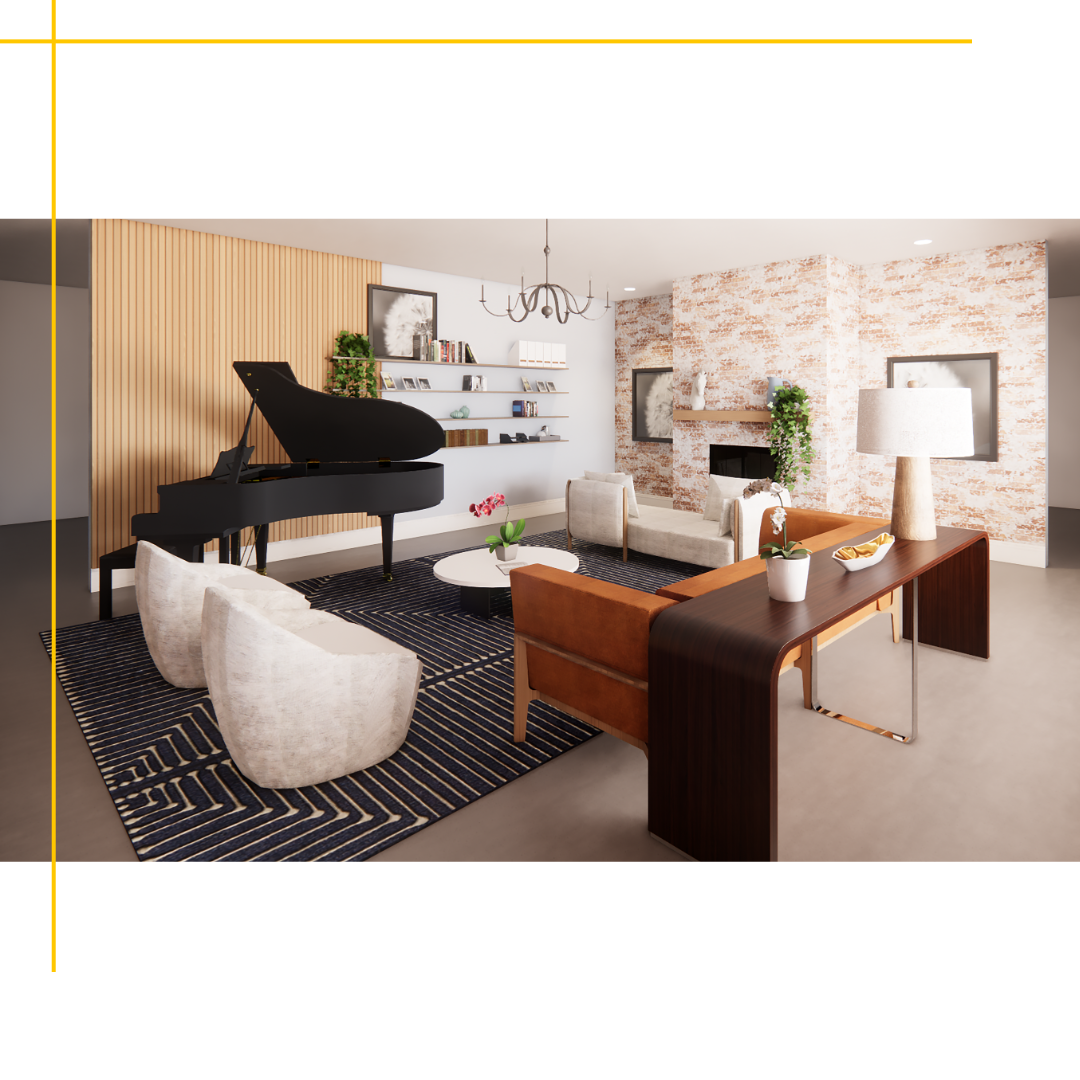
Beautiful, naturally.
including house plants, natural materials like stone and wood, and textures that remind us of nature can go a long way in establishing well-being in our spaces.
5. Sensory Design for Emotional Comfort
Beyond visual aesthetics, engaging all senses contributes to a serene atmosphere.
Soft Textures: Incorporating plush rugs, cozy throws, and comfortable furniture invites relaxation.
Aromatherapy: Using essential oils or scented candles with calming fragrances like lavender, sandalwood, or eucalyptus enhances well-being.
Soundscapes: Background music, white noise machines, or indoor water features can create a peaceful environment.
Applying Serenity to Different Spaces
Bedrooms: A Sleep Sanctuary
Use blackout curtains for optimal sleep.
Invest in high-quality, breathable bedding.
Limit technology to reduce blue light exposure before bedtime.
Living Rooms: A Hub for Connection & Relaxation
Arrange furniture to encourage social interaction.
Include layered lighting for different moods.
Incorporate nature-inspired decor to create a tranquil atmosphere.
Home Offices: A Productivity Haven
Optimize ergonomic seating and proper lighting.
Use plants to enhance focus and reduce stress.
Keep the space organized to maintain a clear mind.
Designing spaces with serenity in mind is not just about aesthetics—it’s about crafting an environment that nurtures mental health and well-being. By incorporating calming colors, optimizing lighting, integrating nature, and designing with intention, you can create a sanctuary that supports relaxation, focus, and overall happiness. Whether you're in a bustling Miami condo, a tranquil North Florida retreat, or a coastal space in Panama City Beach, thoughtful design can elevate your everyday life.
Looking to transform your space into a serene oasis? Our interior design firm specializes in creating thoughtfully designed spaces that positively impact well-being. Our designs aren’t just pretty; they’re evidence-based. Contact us today to bring tranquility into your home.
