
Incorporating nature into interior design isn’t just a trend—it’s a movement toward healthier living environments. Biophilic design, which integrates natural elements into built spaces, has been shown to reduce stress, enhance mood, and improve overall well-being. As the demand for wellness-focused design grows, biophilic elements are becoming a staple in well designed spaces across Gainesville, where the natural beauty of the landscape serves as endless inspiration.
What is Biophilic Design?
Biophilic design seeks to strengthen the human connection to nature within indoor environments. It goes beyond simply adding houseplants—it’s about creating spaces that mimic natural patterns, incorporate organic materials, and maximize light and air flow. With great weather, and access to natural beauty, Gainesville has no shortage of design inspiration!
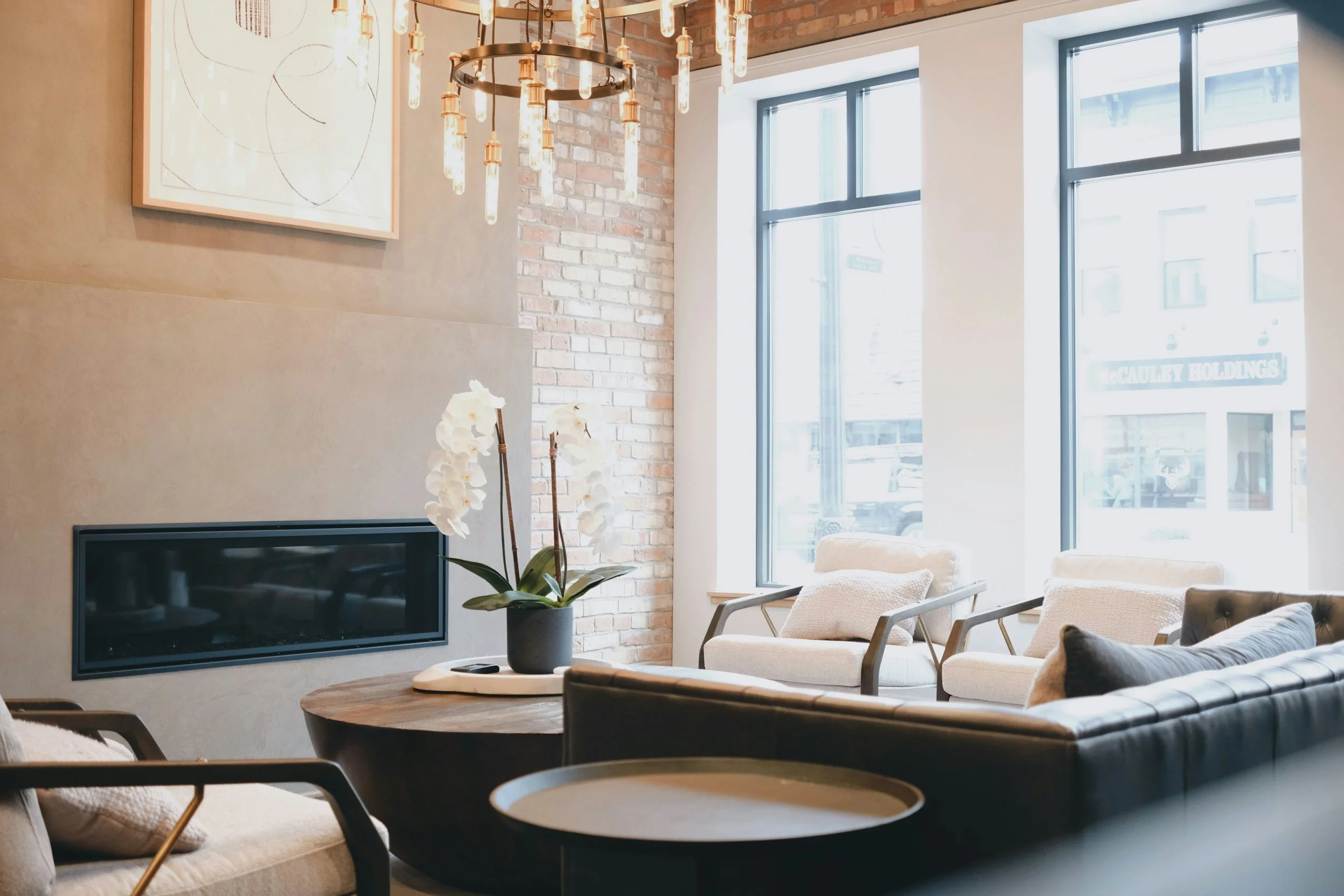
We believe design should be subtle. Biophilia is no exception.
You don’t need to fill a room with plants to reap the benefits of nature. Below we give you easy tips of how to incorporate natural elements for big impact.
Key Elements of Biophilic Design
Maximizing Natural Light
Sunlight is one of the most vital aspects of biophilic design, as it helps regulate circadian rhythms and enhances mood. To make the most of natural light:
Use large windows, skylights, and glass doors to increase daylight penetration.
Opt for sheer or light-filtering window treatments that allow light to pass through.
Arrange furniture to maximize exposure to natural light sources.
Incorporating Natural Materials
Using organic materials helps create a warm, grounding environment.
Choose wood, stone, bamboo, and other natural finishes for flooring, furniture, and decor.
Opt for sustainably sourced materials that have a minimal environmental impact.
Use textiles made from organic cotton, wool, or linen for a softer, more natural feel.
Indoor Greenery and Living Walls
Plants are essential for improving air quality and enhancing the overall ambiance of a space.
Introduce low-maintenance indoor plants like pothos, ferns, and snake plants.
Create a statement with a vertical garden or living wall.
Use potted herbs in kitchens for both aesthetic and functional benefits.
Nature-Inspired Color Palettes
Color has a profound impact on emotions and energy levels. Biophilic color schemes draw inspiration from nature’s hues:
Earthy tones: Warm browns, sandy beiges, and terracotta evoke a sense of stability and warmth.
Forest greens: Shades of green are known to promote relaxation and a connection to nature.
Sky blues: Soft blues can instill a sense of calm and openness, reminiscent of clear skies.
Organic Shapes and Patterns
Nature’s forms are rarely linear or rigid. Incorporate natural shapes through:
Curved furniture and architectural elements.
Patterns inspired by leaves, waves, or rock formations in textiles and decor.
Asymmetrical layouts that create a more organic, fluid environment.
The Benefits of Biophilic Design
Biophilic design isn’t just about aesthetics—it has tangible benefits for well-being and sustainability:
Improved Air Quality: Plants help filter toxins and increase oxygen levels.
Enhanced Mood and Productivity: Exposure to natural elements reduces stress and enhances focus.
Energy Efficiency: Maximizing natural light reduces reliance on artificial lighting.
Stronger Connection to the Outdoors: Creates a seamless transition between indoor and outdoor living spaces.
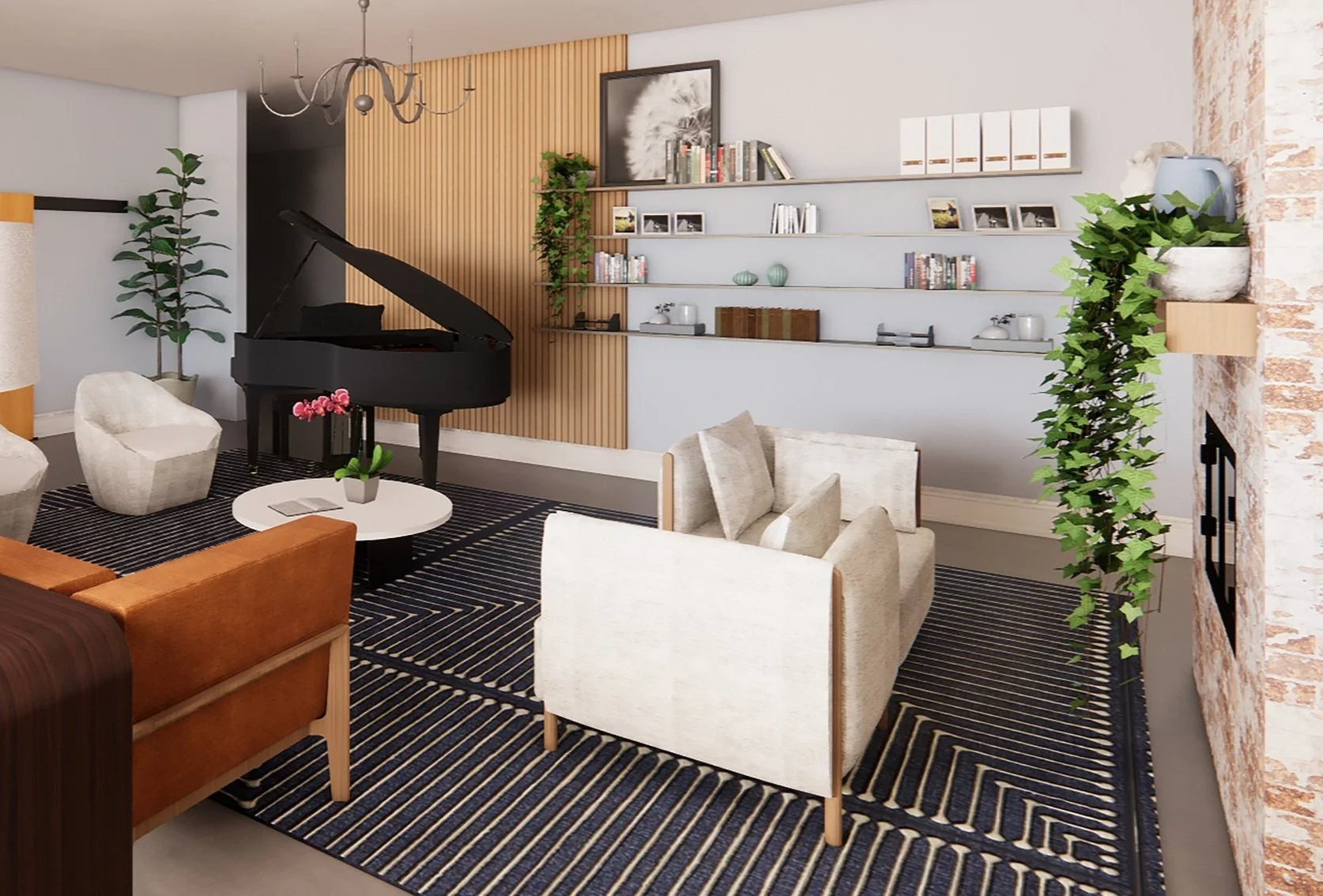
We do the leg work, you enjoy the space.
We’ve spent years perfecting the craft of designing with subtle biophilia.
How to Integrate Biophilic Design in Different Spaces
Living Rooms: A Natural Gathering Space
Use large windows to frame outdoor views.
Incorporate plenty of greenery through planters and low-maintenance plants.
Choose natural-fiber rugs and organic upholstery fabrics.
Bedrooms: A Restful Retreat
Opt for wooden furniture and nature-inspired textiles.
Keep decor minimal to create a serene, uncluttered environment.
Use soft, earthy tones to promote relaxation.
Bathrooms: A Spa-Like Sanctuary
Add bamboo accessories and stone-textured finishes.
Introduce greenery with humidity-loving plants like ferns and orchids.
Use natural scents such as eucalyptus or lavender for a sensory experience.
Home Offices: Boosting Focus and Well-Being
Position desks near windows for natural light exposure.
Integrate vertical gardens or potted plants to refresh the air.
Use wooden or cork accessories to enhance the natural aesthetic.
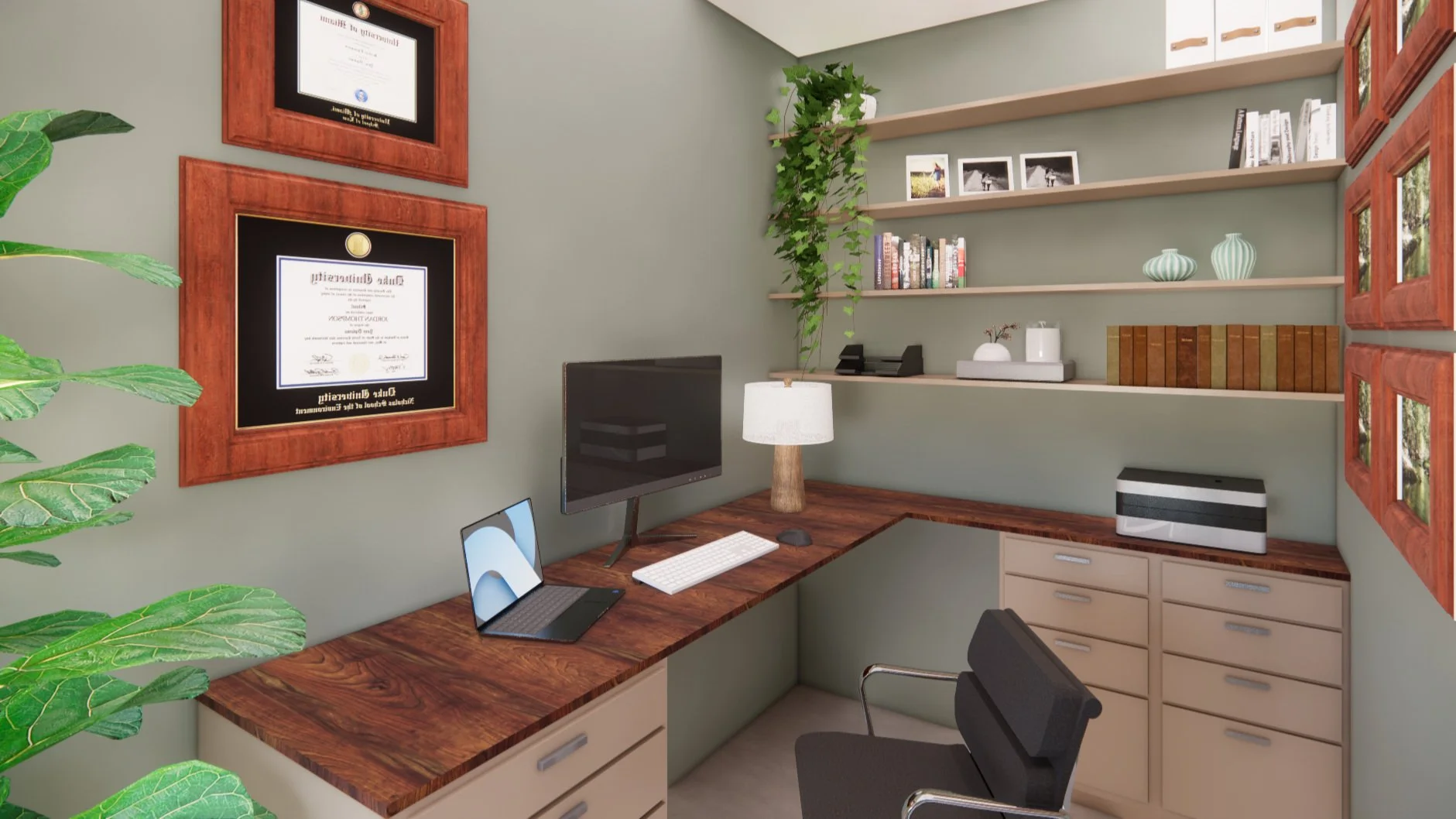
Biophilia in office spaces promotes well-being, creativity, and productivity. We create environments that nurture both mind and body, fostering a deeper connection to nature even within the workplace.
Biophilic design is more than a passing trend—it’s a holistic approach to creating spaces that enhance well-being and promote sustainability. Integrating nature into your space can lead to a healthier, more balanced lifestyle.
Let us help you transform your home or office into a thoughtfully designed space that positively impacts your well-being. Call us today.
