
While sustainable design focuses on minimizing harm to the environment, with a primary goal to create spaces that have a neutral impact on the planet, regenerative design takes this concept further. Responding to an ever growing climate crisis, regenerative design aims to actively improve and restore natural and social ecosystems. Rather than just preserving resources, regenerative design seeks to renew and revitalize the environments it touches, creating spaces that are self-sustaining and contribute positively to the community’s health and well-being.
Simply put, sustainable design works to reduce negative impacts while regenerative design considers how to make positive contributions. This approach encourages a deeper understanding of the interdependence between people and their environment, using design as a tool to heal, rejuvenate, and enhance ecosystems. By focusing on the cyclical nature of life, regenerative design promotes materials and systems that go beyond conservation—helping communities and natural systems thrive.
At color + line interiors, we embrace the principles of regenerative design, crafting environments that not only offer understated elegance and modern aesthetics but also nurture the well-being of the people and places they serve. Our goal is to create lasting impact by honoring cultural narratives and contributing to healthier, more resilient communities.
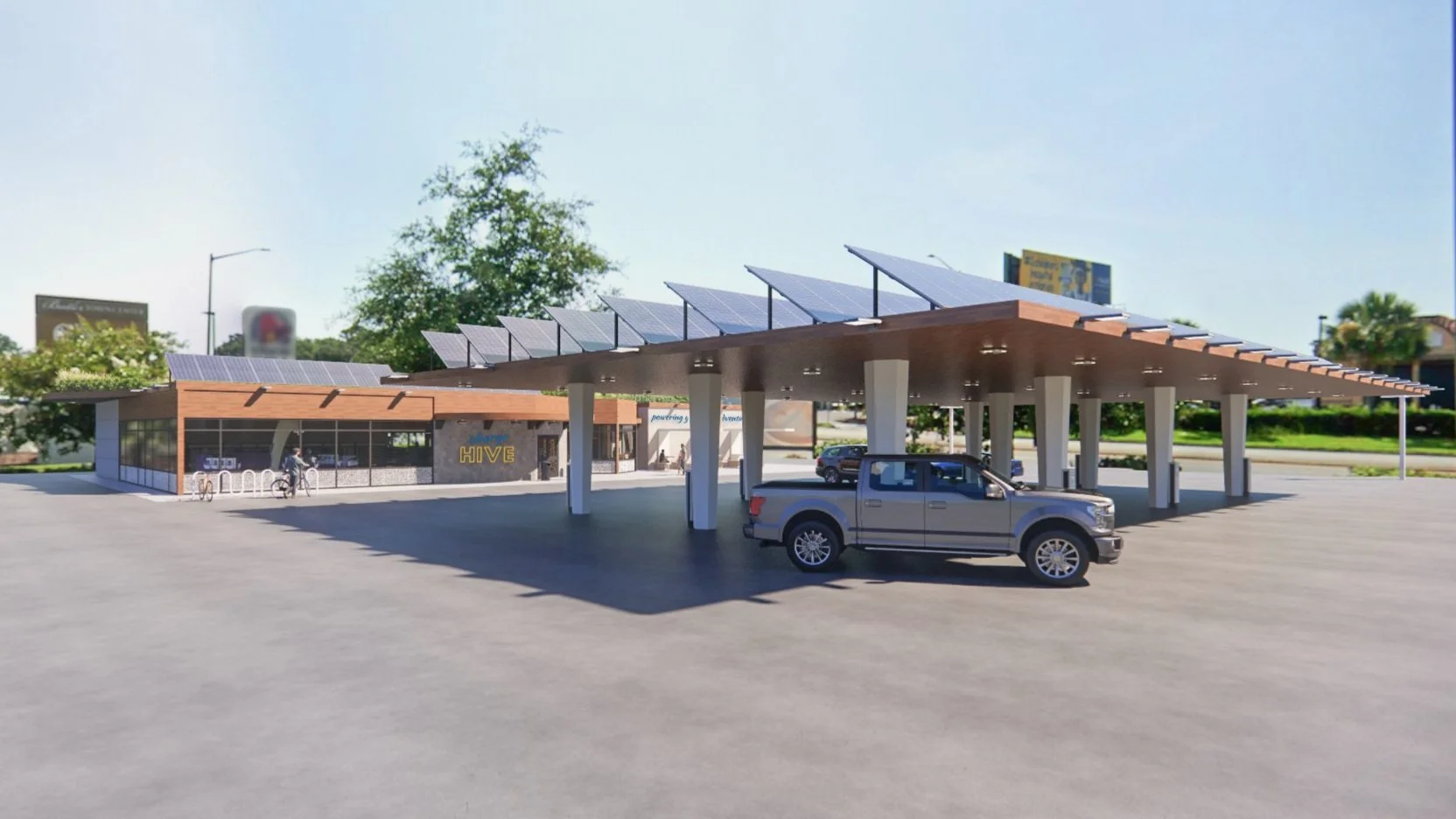
Imagine a future where recharging stations give back to their communities rather than deplete them.
